
English| EUR
Suggested for you
More currencies
Choose a language
Athens culinary schools blend hands-on instruction with neighborhood market immersion, teaching visitors to prepare traditional Greek dishes from scratch. Most workshops run Monday through Saturday, pairing morning ingredient-hunting expeditions with afternoon cooking sessions that conclude with a shared meal.
Quick answer
Cooking classes in Greece centered in Athens operate Monday through Saturday from 09:30 to 19:00, with Sunday closures across most facilities. The optimal arrival window runs 09:30 to 15:00, allowing time for combined market tours and three- to four-hour cooking sessions. Class participation requires advance booking; facility access itself carries no entrance fee, though individual workshop fees apply per reservation.
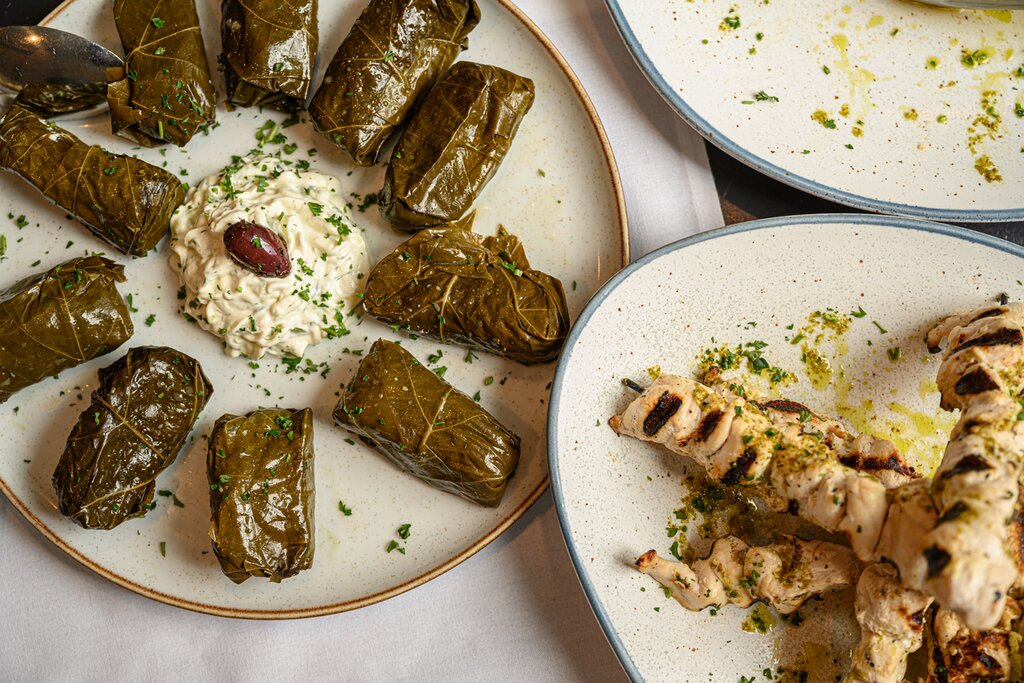
Sixty percent of Athens culinary workshops begin not in a kitchen but at a neighborhood produce stall, where instructors negotiate with vendors in rapid Greek while participants learn to distinguish Kalamata olives from Amfissa by sight and smell. This market-first model reflects how Greeks actually cook—seasonally, locally, and through relationships with suppliers who've occupied the same corner for decades. The workshops concentrate in three districts: Psirri, where restored neoclassical buildings house teaching kitchens above street-level tavernas; Monastiraki, where schools operate within walking distance of the central agora and its spice merchants; and Thissio, favored for rooftop kitchens that frame the Acropolis during sunset tastings. Morning market tours typically run 90 minutes, covering olive oil tasting protocols, feta PDO designations, and the wild greens that define horta. The subsequent cooking portion spans two to three hours, focusing on three to five dishes—most commonly Greek salad with proper tomato-ripeness assessment, hand-rolled phyllo for spanakopita, slow-braised lamb or vegetarian moussaka, and either galaktoboureko or olive oil cake. Class sizes remain small, averaging six to ten participants, which allows instructors to correct knife technique and explain why Greek cooks add cinnamon to savory tomato sauces. Many schools provide recipe cards with metric and volume measurements, anticipating that international visitors will want to recreate tzatziki and dolmades at home. The meal that concludes each session isn't ceremonial—it's the quality-control checkpoint, where students taste whether their bechamel achieved the right nappé consistency and their lemon potatoes absorbed enough oregano-scented olive oil. Booking windows open three to six months ahead for high-season dates (April through October), though September and early October offer the practical advantage of prime tomato and eggplant harvests without July's heat. Most schools accommodate dietary restrictions with advance notice, substituting plant-based ingredients in dishes traditionally built on feta and yogurt. The hands-on format means participants leave not with a cookbook but with muscle memory—the feel of properly kneaded phyllo dough, the sound of onions reaching translucency, the specific shade of golden that signals a kataifi crust is ready.
“The market-first model reflects how Greeks actually cook—seasonally, locally, and through decades-long relationships with the same suppliers.”
The best arrival window is 09:30–15:00, as this timeframe is optimal for combined morning market tours and cooking sessions. Visiting during these hours allows participants to source fresh ingredients while markets are fully stocked before the kitchen session begins.
Mild temperatures (15°C–23°C)
Ideal for comfortable walking tours and ingredient shopping.
Pleasant temperatures (18°C–25°C)
Consistent availability and fresh seasonal harvest produce.
—
Provides a quieter, more personal experience in the central markets.
Verdict: Tuesday to Thursday, arriving at 09:30, during the months of April or October provides the best balance of market access and temperate weather.
Access to the cooking facility is provided at no cost. Participation in organized cooking classes requires a pre-arranged booking.
Reserve your spot and prepare for a hands-on culinary experience that may include market visits.
Everything you need to know about cooking classes in greece
Participating in cooking classes in greece provides a hands-on introduction to Mediterranean gastronomy and traditional recipes. You will work with fresh ingredients while learning local techniques from experienced chefs. It is recommended to book in advance to secure your spot for these popular activities.
Many of the most popular cooking classes in greece incorporate a guided stroll through the central markets to select local olive oil, feta, and seasonal produce. This provides a deeper connection to the culinary culture before returning to the kitchen to prepare your meal. Always check your specific booking details for activity inclusions.